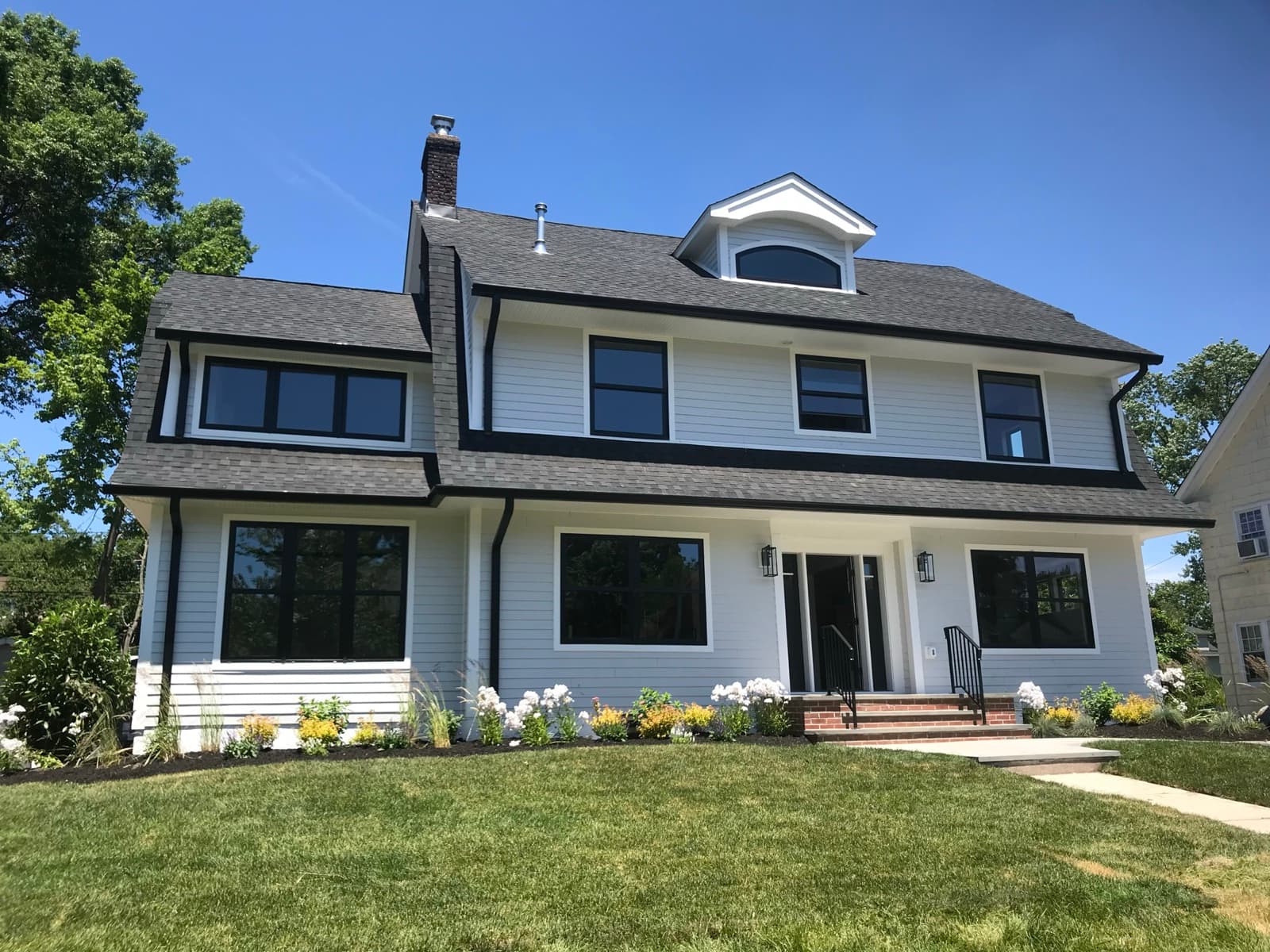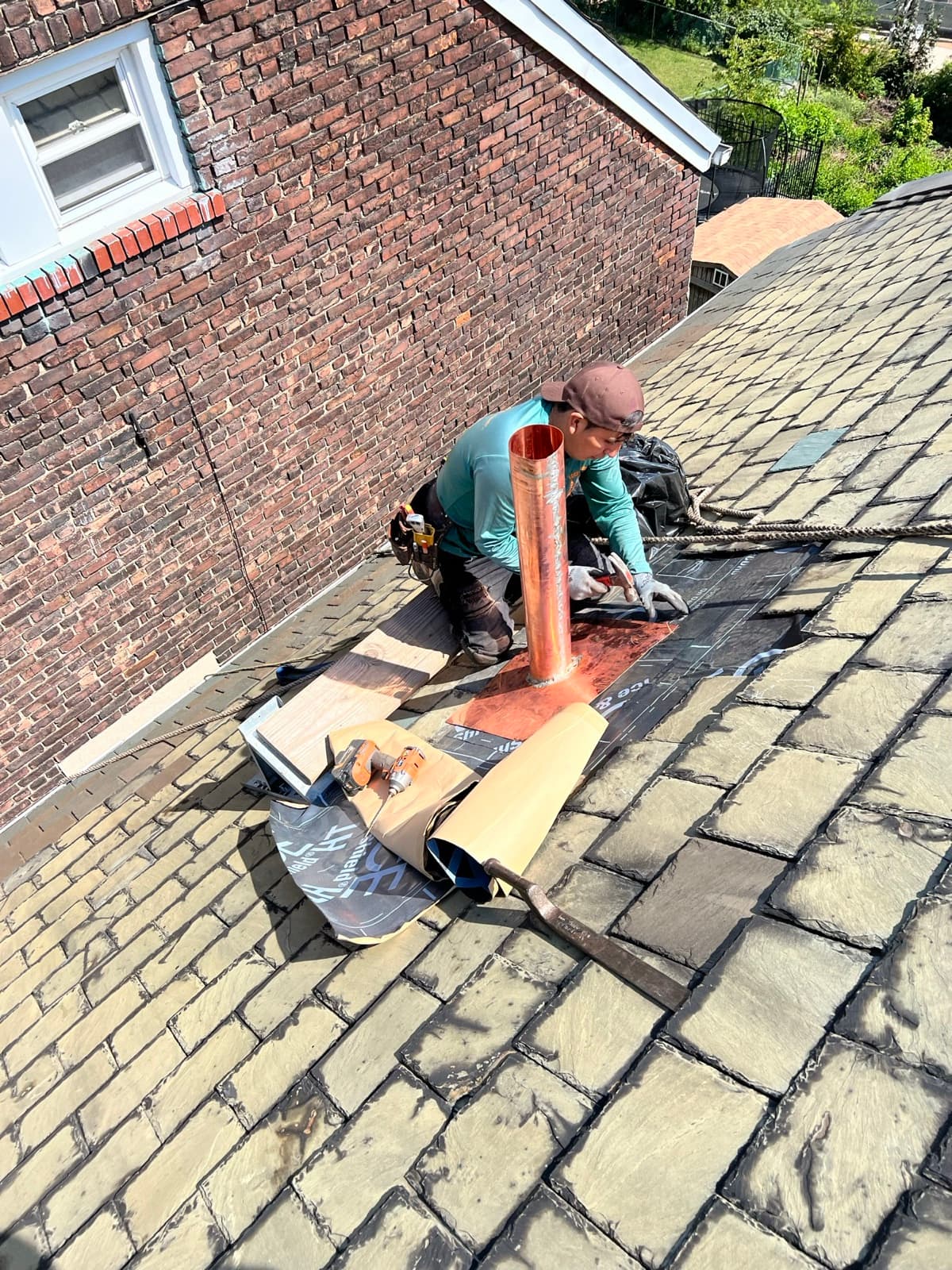
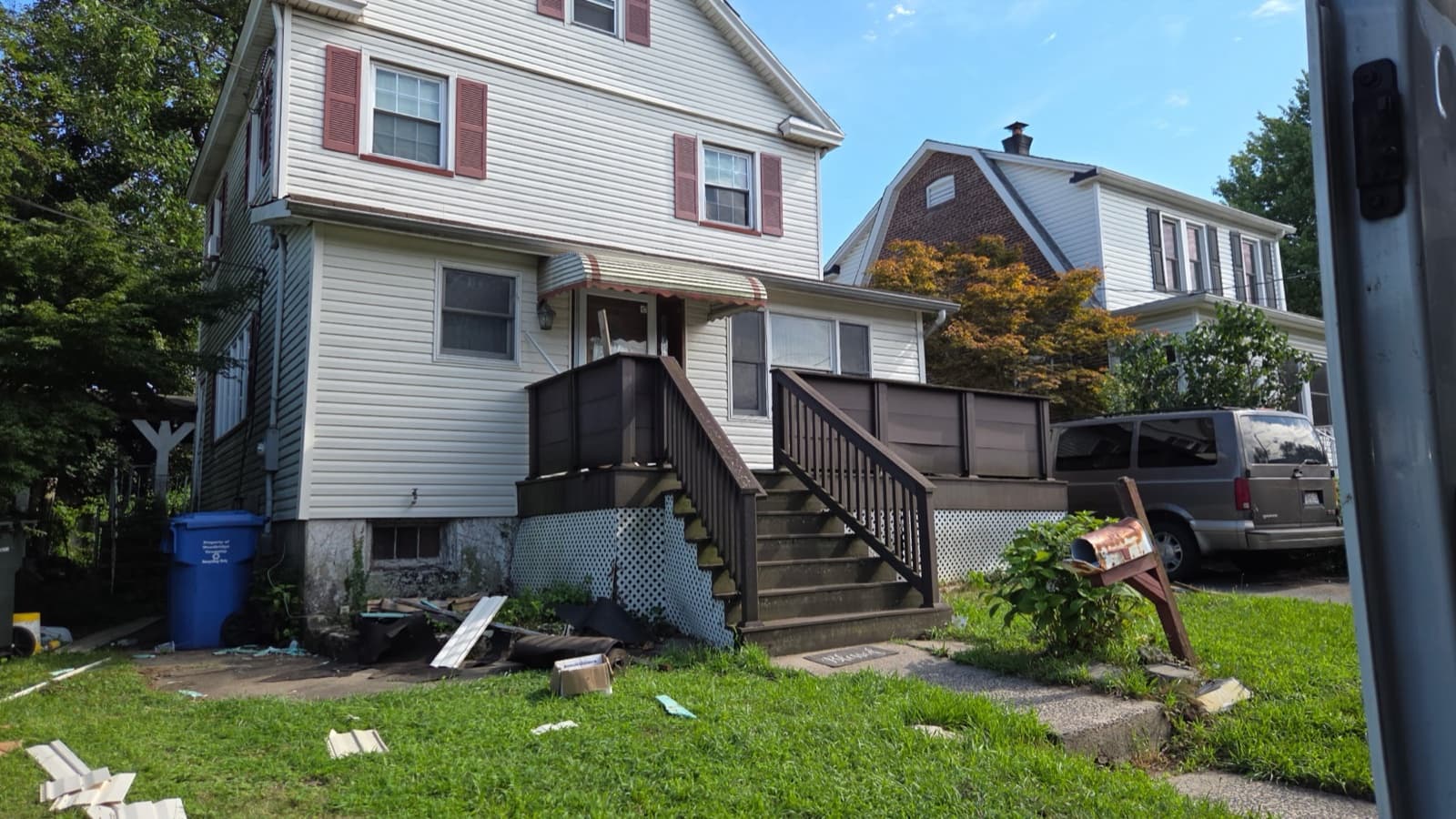
Your roof and your siding are two halves of the same job: keeping water out of the walls and the structure dry. We install siding the same way we install roofs — with the water management done right behind the surface, not just a nice-looking product stapled over whatever's underneath.
Why the layer behind the siding matters most
Siding is the visible layer, but the house-wrap, flashing, and water-resistive barrier behind it are what actually keep the wall dry. Done wrong — no house-wrap, reverse-lapped flashing, no kickout at the roof-wall intersection — water gets behind the siding and rots the sheathing while everything looks fine from the curb.
We treat siding as part of the building envelope. House-wrap is lapped to shed water, windows and doors are flashed and integrated with the wrap, and the roof-to-wall transitions get proper step and kickout flashing so the two systems work together instead of dumping water into each other.
The materials we install
- Insulated vinyl — vinyl with a foam backer that adds R-value, dampens noise, and lies flatter for a higher-end look. Our usual recommendation for an upgrade.
- Standard vinyl — durable, low-maintenance, and the best value; modern profiles look far better than the vinyl of twenty years ago.
- Fiber cement (HardiePlank and similar) — the premium option: rigid, fire-resistant, holds paint, and mimics real wood. Heavier and pricier to install, worth it on the right home.
- Soffit, fascia & trim — the finish details that make a siding job look custom instead of wrapped.
Repair vs. full re-side
If the damage is localized — a few cracked panels, a rotted trim board, storm impact on one wall — a repair or section replacement is the right call, and we'll match the existing siding as closely as the product line allows. If the siding is failing across the house, faded unevenly, or hiding rot, a full re-side is the cleaner long-term move and the chance to add insulation and fix the water management underneath.
Done together with the roof
Because we do both, siding and roof work can be coordinated — the roof-to-wall flashing, the gutters, and the siding all detailed as one system on one schedule. That's how you avoid the classic finger-pointing where the roofer blames the siding guy and the leak never actually gets fixed.
When You Actually Need This
- Cracked, faded, warped, or loose siding
- Rot or soft spots behind the siding or trim
- Rising energy bills from a poorly-insulated wall
- A dated exterior you want to refresh before selling
- Storm or impact damage to one or more walls