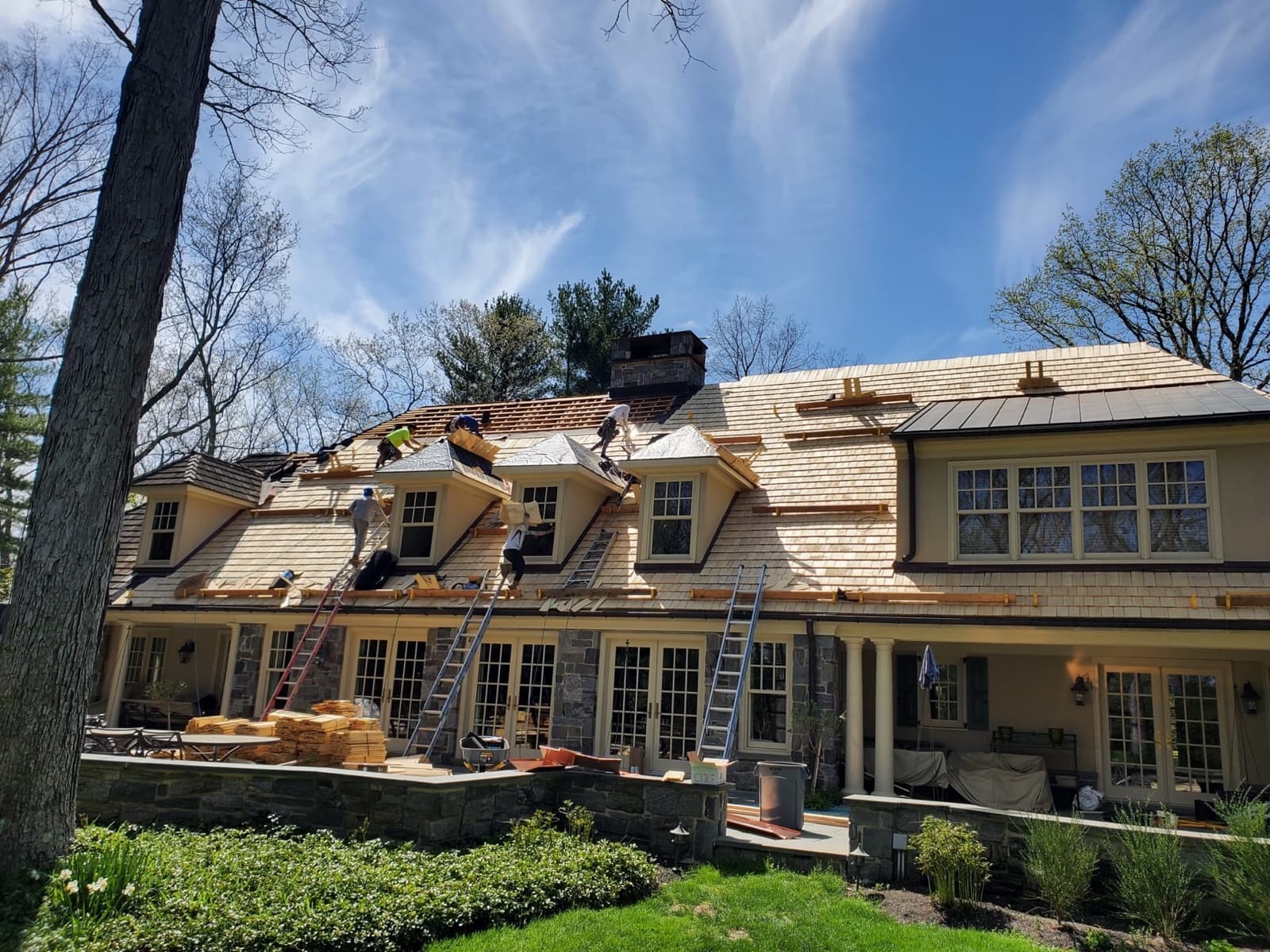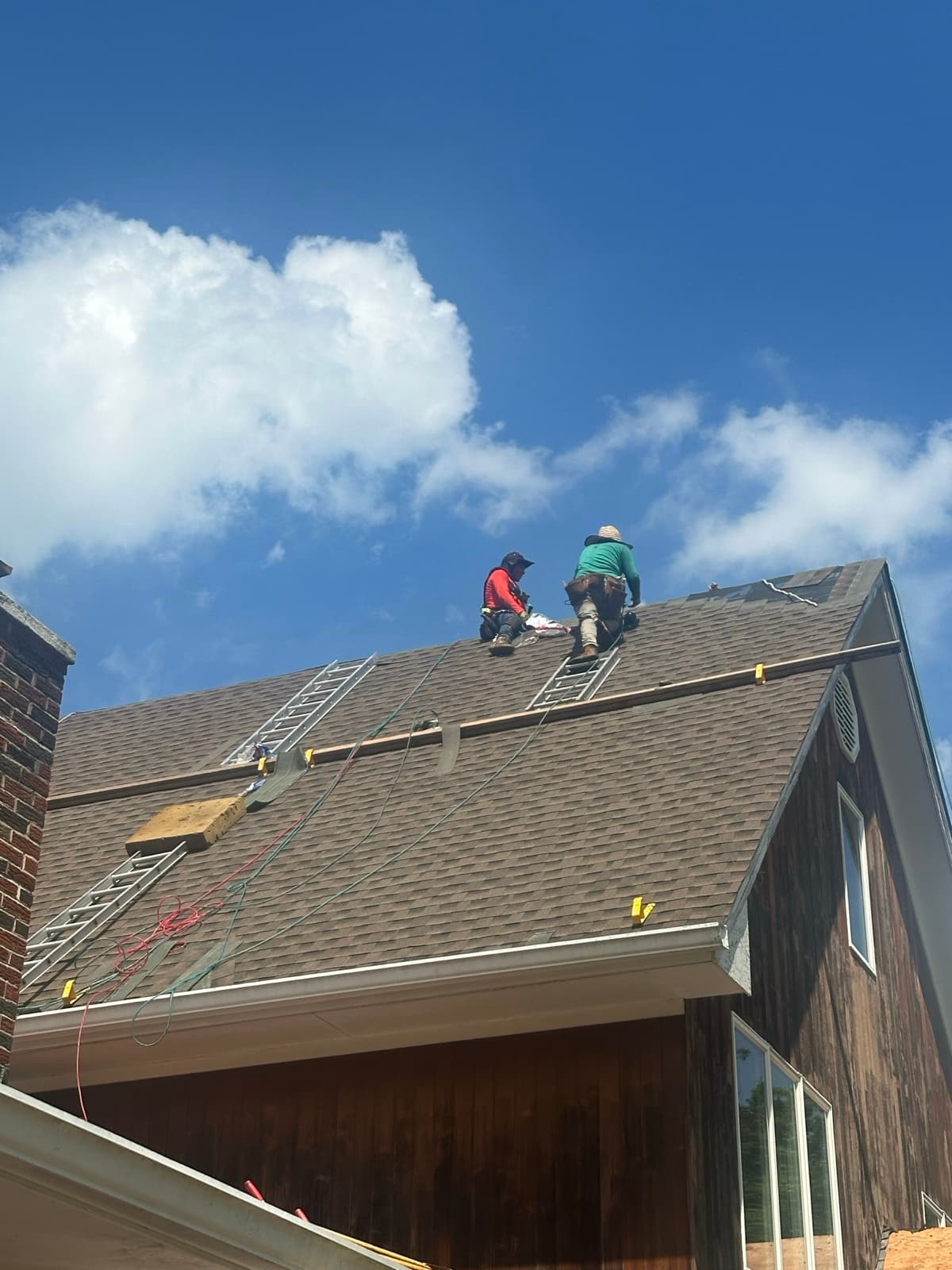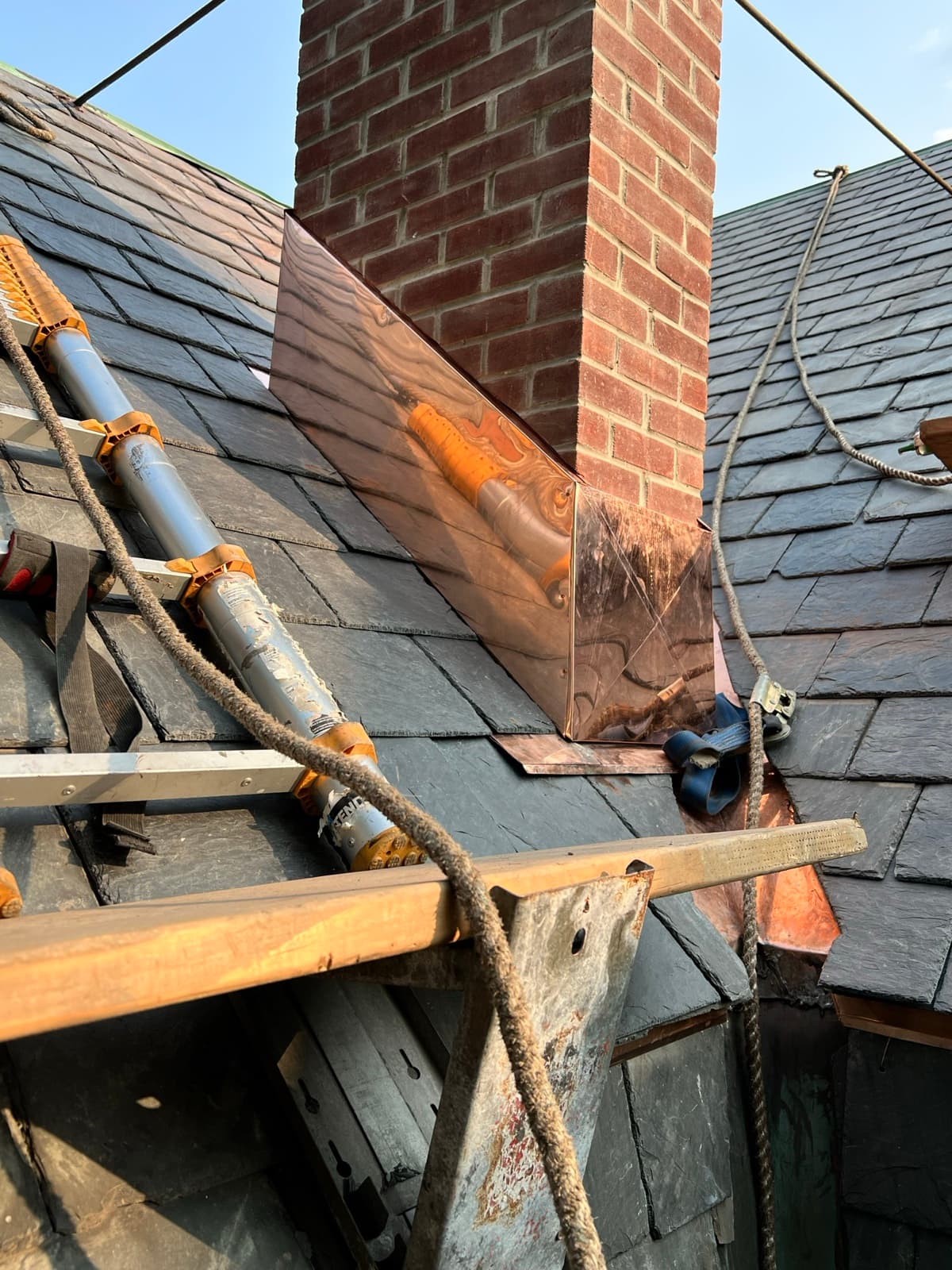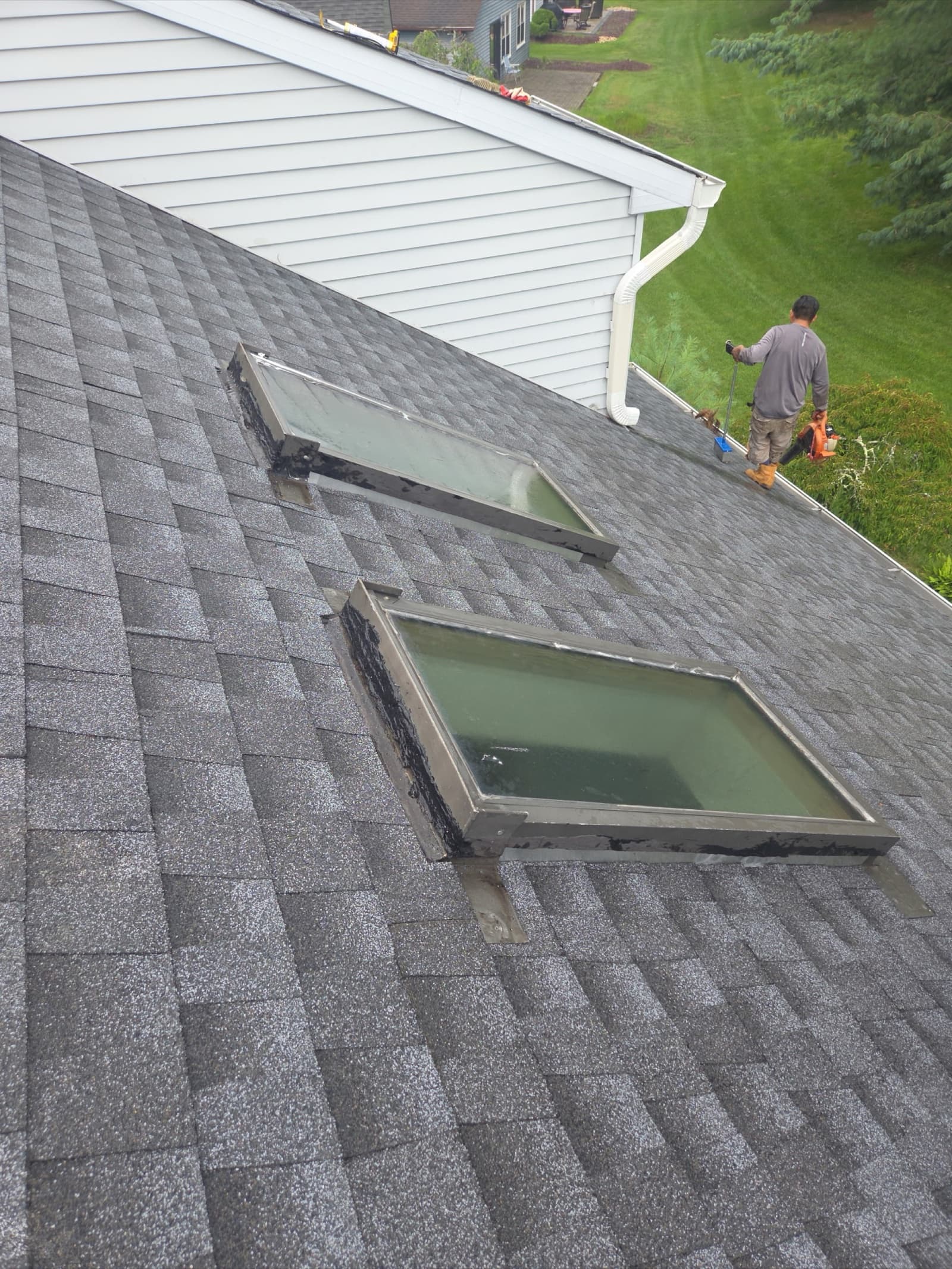
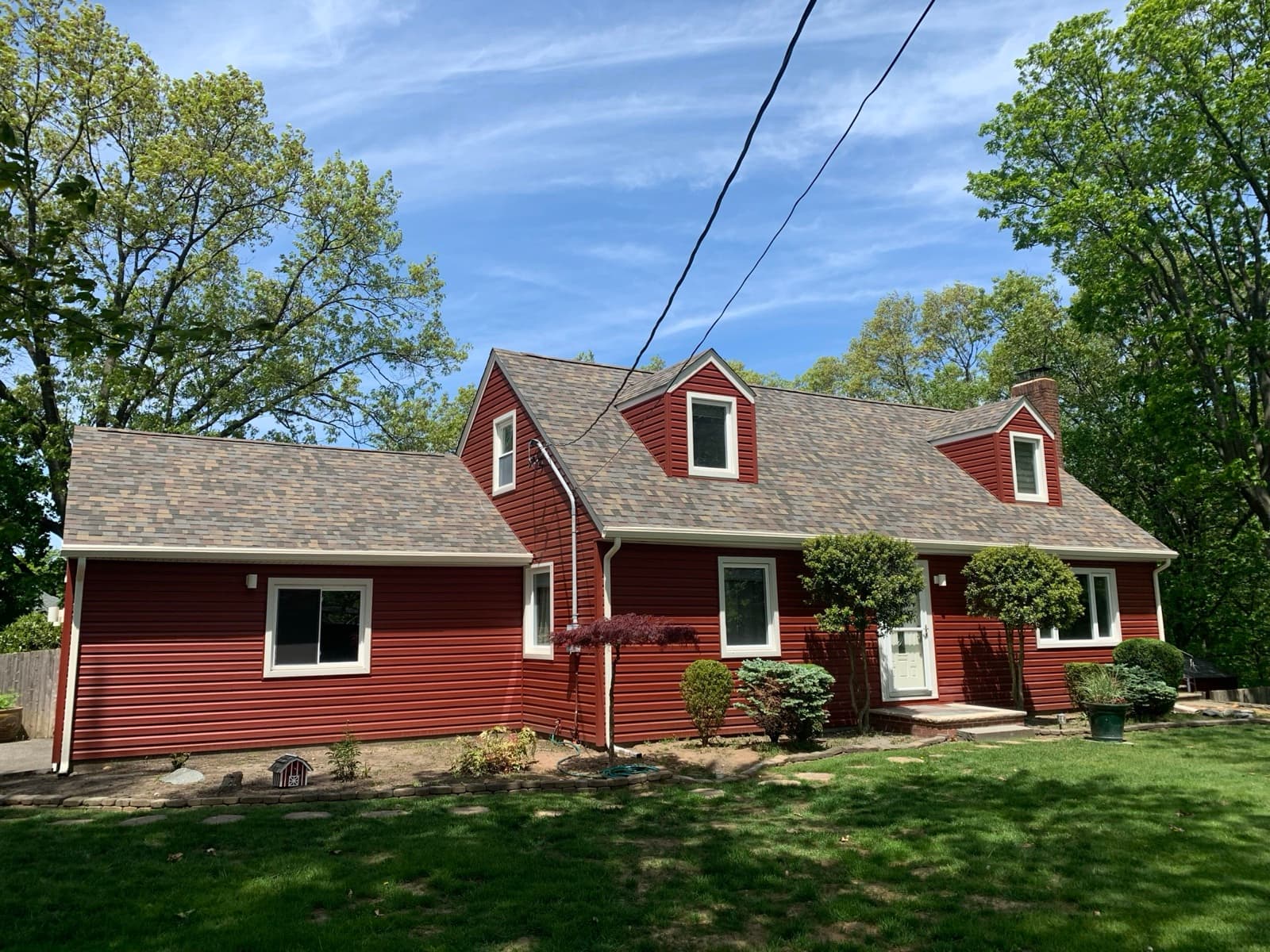
West Orange is the largest of the Essex County towns we work in, and the most internally varied. About a quarter of its roughly 17,900 housing units predate 1940 and another quarter went up in the 1950s, so a roofer here moves between two completely different jobs: period houses with dormers, mansards and turret detailing, and postwar splits and ranches whose recurring failure is the step and kick-out flashing where a roof meets a wall. Around 70 percent of the township's housing was built before 1960, which is the single most useful number for a homeowner about to ask what is already on their roof.
Housing in West Orange
The township climbs First and Second Mountain, so roof exposure varies more here than in the flatter Essex towns, and so does the age of what you find underneath. Pre-1940 houses in the older neighbourhoods carry the detail-heavy roofs of their period: valleys behind bays and gables, dormer cheeks, mansard upper decks and the occasional turret. The 1950s cohort is split-level and ranch stock where the chronic leak is not the shingle field but the junction where a lower roof steps into a sidewall. Both populations have been re-roofed at least once, often more, and the practical question on an older West Orange house is less what the roof is made of than how many layers are on it and what condition the boards underneath are in.
What we most commonly find on West Orange roofs
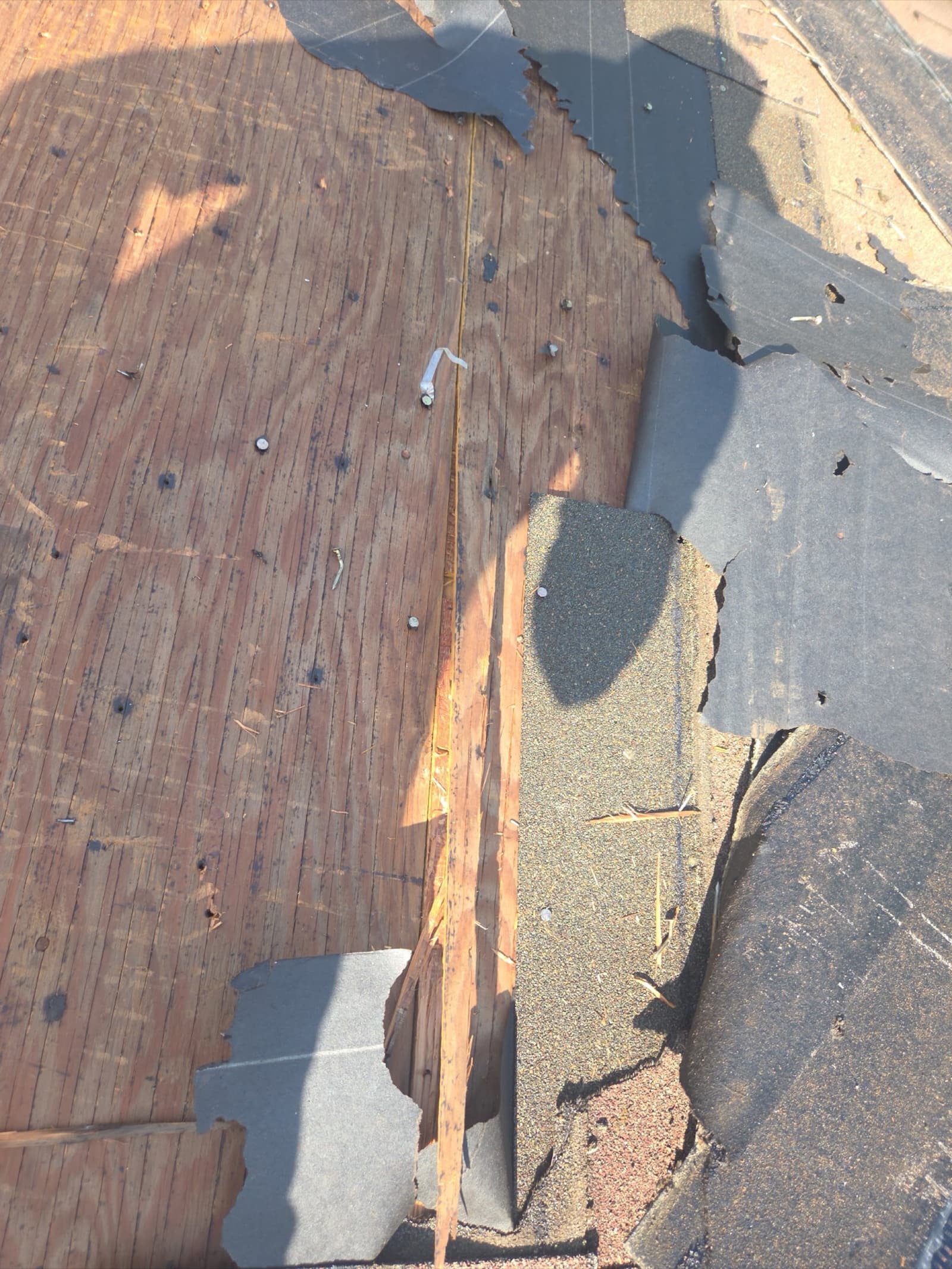
- Two existing layers of roofing found at tear-off, which forces a full strip rather than the overlay the homeowner was quoted
- Step and kick-out flashing failure at roof-to-wall step-downs on 1950s split-levels and ranches
- Valley and dormer-cheek leaks on pre-1940 houses where several planes intersect
- Mansard upper decks, which are low-slope and need membrane rather than the shingle used on the steep face
- Board decking that will not hold fasteners once an old roof is stripped
- Debris load and shaded, slow-drying planes on the wooded mountain streets
The layer question, and why it matters more here than in most towns
West Orange's own homeowner guide states that two layers is the maximum, and that a building already carrying two must have at least one and possibly all of the older layers removed. Because roughly 70 percent of the township's housing predates 1960, the odds that a West Orange roof has already been done more than once are high, and the odds that a second layer is hiding under the current one are not small either.
This is the single most common way a roofing quote in this town turns out to be wrong. An overlay is cheaper and faster, and it is the quote a homeowner would rather accept, but it is only available if there is one layer up there and the deck below is sound. We check the layer count during the inspection rather than discovering it on the morning of the tear-off, because the difference between an overlay and a full strip is not a rounding error on the price and it should not appear as a change order.
There is a related point about the state rule. Replacing the existing roof covering on a detached one- or two-family home is ordinary maintenance under N.J.A.C. 5:23-2.7(c)1x, with no construction permit and no inspections. West Orange's published guide is older than that reading and still describes a 25 percent threshold while listing a whole-roof installation as permit work. If the distinction matters for your job, the Township's Building Department is the office that decides it, and we will make the call with you before work is scheduled rather than assuming.
Two overlays that decide whether your exterior work gets reviewed
West Orange has had a Historic Preservation Commission since 1992, and the Township's current guide states the operative rule directly: work affecting the exterior of a property inside a Historic District, or on an individually designated Landmark, has to be submitted to the Commission for review. The submission is a written description of the work, material specifications, current photographs and historic photographs where they exist. Ten sites are locally designated, and the Township keeps adding to the list through its ongoing architectural surveys, so a property that is not designated today may be later.
The second overlay is not historic at all but functions the same way for roofing purposes. Properties inside the Downtown West Orange Special Improvement District, along Main Street and Valley Road, are subject to design review by the Downtown West Orange Alliance whenever a project involves exterior work. The Township's guide warns that the district boundaries are irregular and says to check.
Llewellyn Park is the case people ask about most. It is a private gated community on the National Register with its own Committee of Managers and private roads. National Register listing by itself does not restrict a private owner's roof replacement — it triggers review where federal or state funding or permitting is involved. Whether the Park is also locally designated, which is what would trigger municipal review, we have not been able to confirm, so we treat it as an open question and check with the Planning Department rather than telling a homeowner something we have not verified.
The tree permit that comes before the roof
West Orange regulates tree removal more tightly than its neighbours. The 2024 ordinance requires a Township Forester permit to remove any tree four inches or more in diameter at breast height, limits removals to two in any twenty-four month period, requires the work be done by a qualified tree expert registered with the township's Department of Public Works, and requires the permit to be posted on the tree and at the front door for seven business days before the tree comes down. Replacement is required.
For a roofing customer that is a scheduling fact rather than a roofing fact, and it is the kind of thing that turns a two-week job into a six-week one if nobody mentions it. If a limb has to come off before we can stage the roof safely, we will say so during the estimate.
Why we work in West Orange
West Orange is a diagnostic town, which is the work we are built for. On a township where most of the housing predates 1960 and two different eras of roof sit a few streets apart, the useful contractor is the one who establishes what is actually on the roof and under it before quoting, and who knows which of the township's review overlays a given address falls into. Those are checkable facts, and getting them right before the tear-off is most of the job.
West Orange sections we cover
West Orange estimates cover the whole municipality — Pleasantdale, St. Cloud, Gregory, Llewellyn Park, Hutton Park, Crystal Lake, Downtown / The Valley, Pleasant Valley, and Crestmont — across ZIP code (07052).